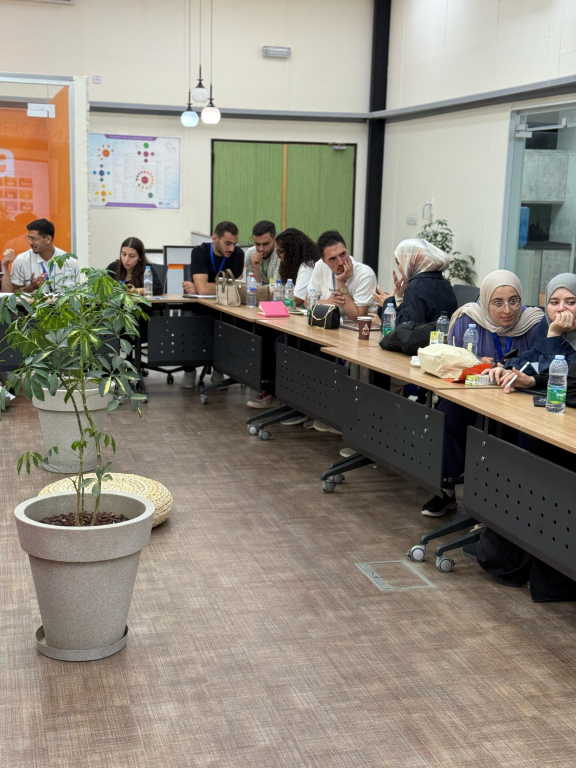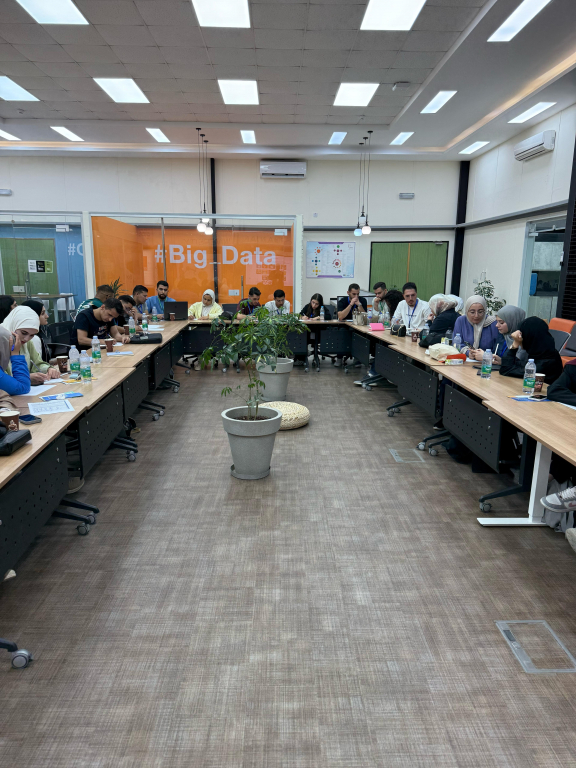
Palestine Polytechnic University launches the first summer school of the SEED Project at the German-Jordanian University.
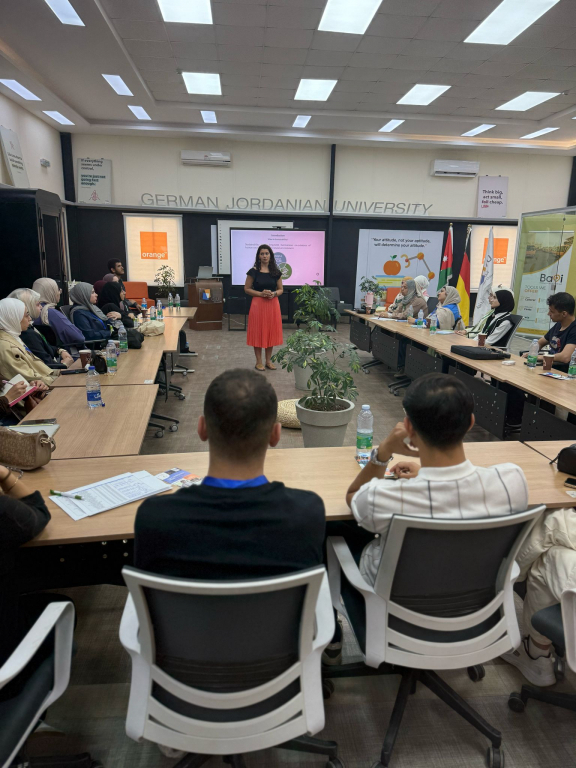
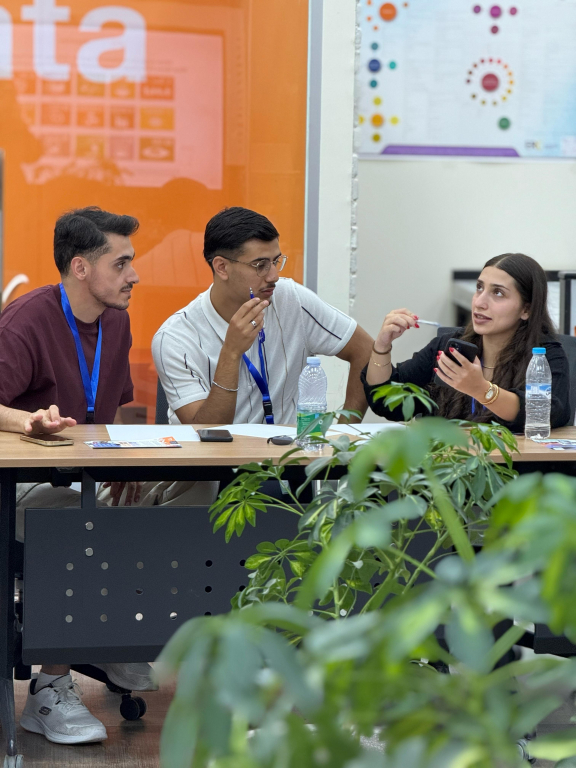
In the presence of a select group of students and specialists, the German-Jordanian University (GJU) witnessed the launch of the first summer school for the SEED Project for Sustainable Entrepreneurial Education on Sunday, July 27, 2025. The event saw active participation from students of Palestine Polytechnic University and the German-Jordanian University, in partnership with the Technical University of Berlin and with support from the German Academic Exchange Service (DAAD) and the German Federal Foreign Office.
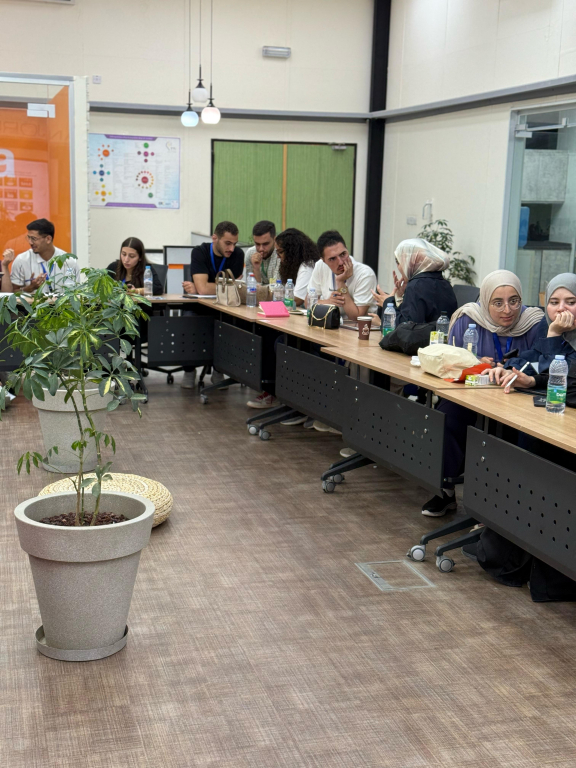
The training program, titled "Sustainability in Crisis: Behavioral, Entrepreneurial and Systemic Reflections," aims to enable participants to analyze contemporary crises through an entrepreneurial lens that blends theoretical thought with practical application. It covers advanced themes focused on entrepreneurship amid crises, behavioral influences on sustainable initiatives, and the role of innovation and technology in creating feasible solutions.
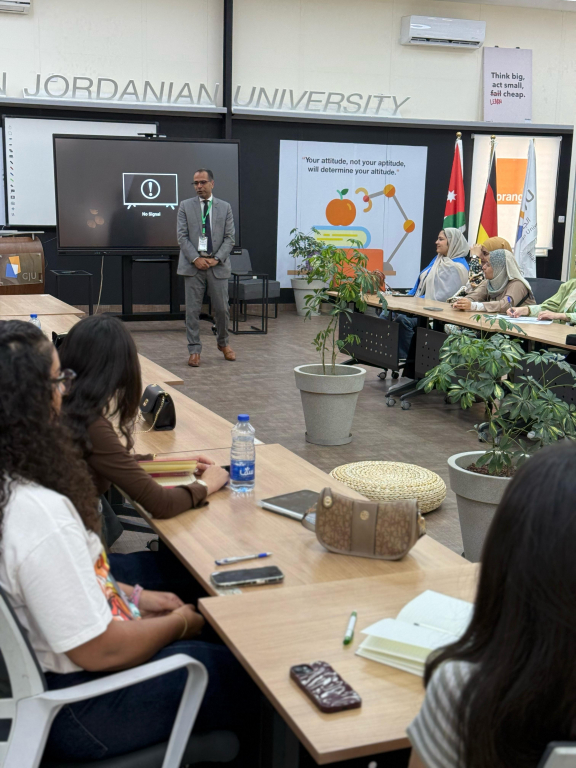
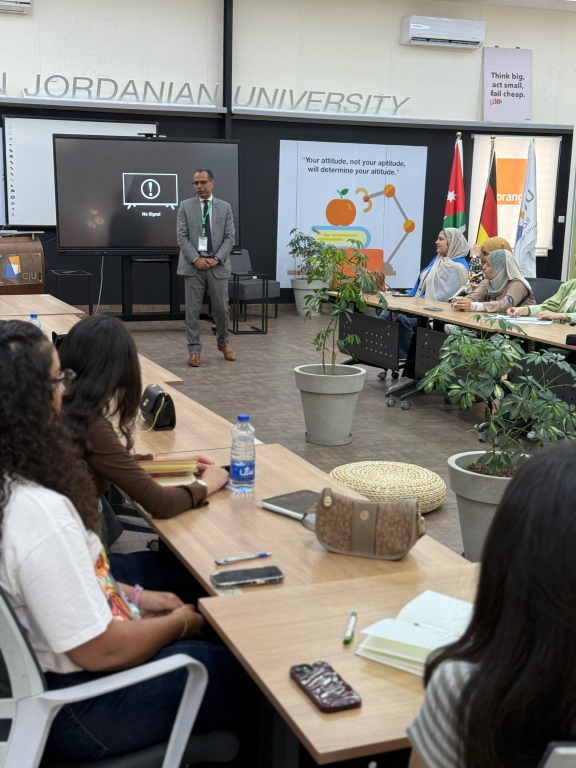
The program was opened by Dr. Nidal Shawawreh, Dean of Innovation and Entrepreneurship at the university, with a welcoming speech emphasizing the importance of such initiatives in developing students’ skills and enhancing international academic cooperation.
The first day included a campus tour followed by an introductory session delivered by Dr. Lubna Rashid from the Technical University of Berlin, titled "Sustainability in Crisis: Behavioral, Entrepreneurial and Systemic Reflections," characterized by an interactive approach and a focus on critical thinking and crisis analysis from a sustainable entrepreneurial perspective.
In the coming days, the program will host a number of distinguished experts in the fields of entrepreneurship, technology, and sustainability, offering advanced training sessions and specialized workshops. Students will engage in group-based practical challenges aimed at developing real-world solutions to contemporary problems. Upon completion, participants will receive a certificate of participation, along with an evaluation certificate for those who submit an applied project after the program ends.